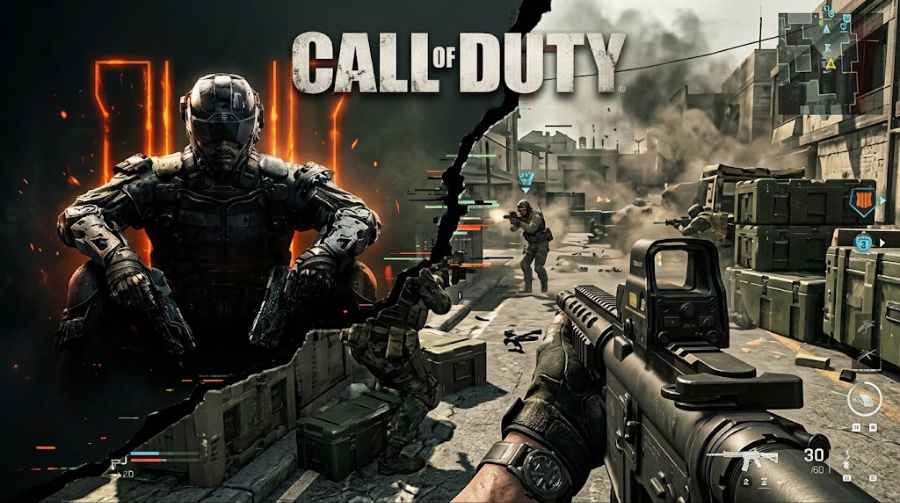
Call of Duty: Black Ops and Black Ops 2 are making headlines again, more than a decade after their original releases. The classic games reportedly generated around $435 million in revenue during July 2026 after arriving on PS4 and PS5. However, the success has raised concerns about the developers who helped create them but reportedly receive no additional royalties from these new sales.
Gavin Goslin, a former Treyarch developer who worked on both games, has shared his thoughts on the situation. While he is happy to see players returning to these titles, he believes the original creators deserve a share of the money their work continues to generate.
Black Ops 1 and 2 Reportedly Generated $435 Million
Activision released Call of Duty: Black Ops and Black Ops 2 on PS4 and PS5 on July 9, 2026. The releases attracted considerable attention from longtime fans, even though they did not introduce major new features or significant graphical improvements.
According to estimates from analytics firm Alinea Analytics, the two games sold approximately 11.2 million copies combined during July, generating around $435 million in revenue.
Black Ops 2 reportedly accounted for the larger share, with an estimated 8.2 million copies sold and $325 million in revenue. The original Black Ops reportedly sold around 3 million copies, generating approximately $110 million.
These figures are estimates, not official sales numbers confirmed by Activision. Still, they highlight the continued demand for classic Call of Duty games.
Former Treyarch Developer Questions the Royalty System
Gavin Goslin, who spent more than 15 years at Treyarch working as an artist and level designer, expressed mixed feelings about the games' success in a LinkedIn post.
He is pleased that players still enjoy the experiences he and his colleagues helped create. However, he also finds it difficult to watch the games generate substantial revenue while the original developers reportedly receive no additional payments from the new releases.
Goslin also pointed to the long working hours and demanding crunch periods involved in developing the games. In his view, the people who put years of work into creating successful titles should benefit when those games continue earning money long after their original release.
His criticism is not about Activision selling the games again. Instead, he wants the industry to reconsider how it rewards developers when older titles remain commercially successful.
Why Don't Developers Automatically Receive Royalties?
In the gaming industry, developers do not automatically receive royalties every time a game they worked on is sold again.
Many employees are paid salaries or agreed fees for their work, while the publisher or rights holder owns the finished game. Unless their contracts provide for additional payments, developers may not earn anything from later ports, re-releases, or remasters.
This means a game can continue generating millions of dollars years after launch without its original development team receiving extra compensation.
Goslin's comments highlight a broader debate about whether the industry's existing payment models fairly reward the people behind successful games. His statements do not establish that Activision has broken any contracts or legal obligations, but they raise questions about how developers should benefit from the long-term success of their work.
Classic Call of Duty Games Still Attract Players
The reported sales also show that players remain interested in older Call of Duty experiences. Nostalgia, familiar multiplayer maps, memorable campaigns, and Zombies mode are all reasons fans may want to return to these games.
The PS4 and PS5 releases also give players a way to revisit the original titles on newer PlayStation consoles.
For Activision, the strong reported performance demonstrates that older games can remain valuable long after their initial launch. For developers like Goslin, however, the success highlights a different issue: the people responsible for creating these experiences may not share in the financial rewards when publishers sell them again.
Frequently Asked Questions
How much did Black Ops 1 and 2 reportedly make?
Alinea Analytics estimates that the two games generated approximately $435 million combined in July 2026. Activision has not officially confirmed these figures.
Who is Gavin Goslin?
Gavin Goslin is a former Treyarch developer who worked as an artist and level designer on Black Ops and Black Ops 2. He has raised concerns about developers not receiving additional royalties from the games' continued sales.
Do game developers receive royalties from re-releases?
Not automatically. It depends on their contracts and compensation agreements. Many developers receive salaries without ongoing payments from later game sales.
The success of Black Ops 1 and Black Ops 2 proves that classic games can remain profitable for years. But it also raises an important question: should the developers who created these hits receive a share when their work becomes a commercial success all over again?